











The trick now is to have not only The taxi sector has seen some significant changes in the past couple of years. From humble beginnings as a place to book rides, this market has become a highly competitive space with many global brands, local innovations and AI driven mobility apps. However, today’s users have come with a greater expectation of quick bookings, instant tracking, hassle-free payments, and customization, each time they open a Taxi Booking App.
an app but one that is the right one in the plethora of ride-hailing apps. Smarter processes, smarter and better technology, and customer oriented experiences are needed to succeed.
Here’s the most significant obstacles in the taxi booking sector and the tried and trusted strategies that taxi firms can apply to obtain customers, keep staff and boost revenue from the extremely competitive world.
The Ride-Hailing Market Is More Crowded Than Ever

The ride-hailing industry is growing at an incredible speed. Competition is getting stiffer by the day in the taxi industry – with new taxi providers or mobility startups making an appearance every day. Whether it’s the world’s biggest ride hailer or the local taxi service, everyone is making an effort to get customers to notice them.
The issue is that there are nearly countless apps that provide nearly the same services. The rider can search for the price, switch the app on the fly and decide on the choice of platforms that can bring a better experience. It also means that companies have to go beyond the functionality of the ride booking plain.
Today’s market is driven by:
- Faster customer expectations
- Smart mobile experiences
- AI-powered operations
- Driver availability
- Affordable pricing
- Real-time convenience
Businesses that fail to innovate often struggle to survive because users quickly move toward apps that save time and offer better experiences.
More importantly, customer loyalty in the ride-hailing industry is becoming harder to maintain.
Why Most Taxi Apps Struggle to Grow

Many taxi businesses assume that building an app automatically guarantees success. But as soon as Apps don’t offer with real people’s issues or give an easy experience for the customers, it gets difficult to grow.
The challenges taxi applications may encounter are:
- Poor User Experience
If users face slow loading times, complicated booking steps, or confusing navigation, they are likely to uninstall the app quickly. A sleek and intuitive design is one of the significant factors that retain customers.
- Lack of Unique Features
There are plenty of apps that emulate their other competitors without adding anything new. If one keeps the same routine, attracting long-term users is quite hard.
- Weak Driver Management
Drivers are the backbone of every Taxi Booking App. An inefficient dispatch system or late payments and incomplete driver assistance can negatively impact customer satisfaction and service level.
- Inconsistent Pricing
Miscalculating fares and unexpected proceeding charges are a big issue in undermining customer trust. Results in transparent pricing is now a big expectation from the riders.
- Limited Customer Support
Users expect quick responses when they face issues during bookings or payments. Lack of quick support and critical feedback generates frustration and negative reviews.
Technology, customer experience, operational efficiency are all critical areas of business that require the same attention to succeed.
What Modern Riders Really Expect From a Taxi App
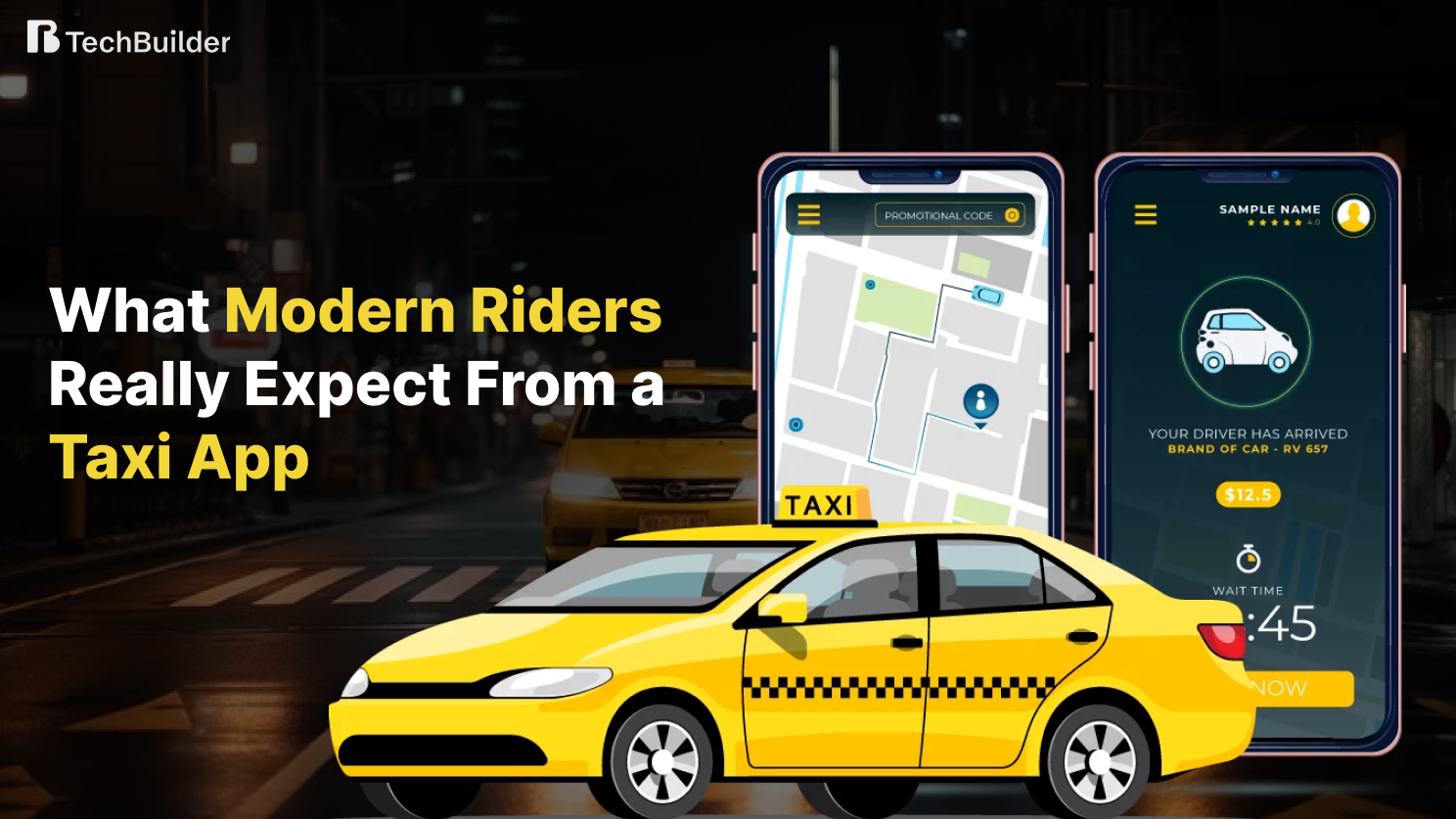
Modern users expect much more than just booking a ride. Today’s riders want convenience, reliability, safety, and speed from the moment they open the app until they reach their destination. Customer expectations are constantly increasing because users compare every app experience with the best platforms in the market.
Here’s what riders now expect from a modern Taxi Booking App:
- Real-Time Ride Tracking
Users expect to monitor the drivers in real-time, estimate drivers’ arrival times, and receive timely trip notifications.
- Quick and Easy Booking
Long processes of booking dissatisfaction in the users. Riders would rather use an application that provides the ability to book rides in seconds.
- Multiple Payment Options
Digital wallet and cards, UPI payments and flexibility in cash enhance convenience and boost booking conversion rates.
- Safety Features
Documentation of a ride’s progress, Emergency Contacts, Driver Verification, SOS alerts, etc.: these things make users feel safe during rides.
- Transparent Pricing
Having transparent fare estimates before booking rides instills – confidence and minimizes ride cancellations.
- Personalized Experiences
Other functional features such as Ride History, Favorite Locations, Loyalty Rewards and personalized notifications are also welcome by users.
Constantly providing these customer experiences boosts brand loyalty and fosters more sustainable growth prospects.
Why User Experience Matters More Than Low Pricing
Many taxi businesses believe lower pricing is the best way to attract customers. Discounts may be effective to kick off the relationship, but are no means a long term loyalty builder. Most users end up opting for apps that will offer smoother rides rather than merely cheaper ones.
A customer may ignore a slightly higher fare if the app offers:
- Faster ride confirmation
- Reliable drivers
- Accurate tracking
- Easy payments
- Clean app navigation
- Better customer support
On the other hand, even low-priced apps struggle when users face delays, crashes, confusing booking steps, or poor service quality.
User experience directly impacts:
- App retention
- Customer trust
- Positive reviews
- Referral growth
- Repeat bookings
A seamless experience increases a user’s level of comfort and confidence in booking a ride. There are times when it’s more important to comfort themselves during a journey than to save a few extra rupees.
Modern riders crave when it comes to every interaction that it is smooth and effortless. Enhancing UI/UX of a Taxi Booking App can significantly help businesses to stand out in the market.
The Power of Real-Time Tracking and Smart Features

Real-time technology has completely transformed how ride-booking businesses operate. In today’s world, customers want to see and be in control throughout their experience. One of the most crucial features has been live ride tracking, as it offers three-fold benefits including convenience, transparency and safety.
Some of the most valuable smart features include:
- Real-Time GPS Tracking
Riders can track the positions of the drivers, estimated arrival times, and trip status real time.” This helps to eliminate uncertainty and increase trust.
- Smart Route Optimization
By utilizing AI technology, the system can guide drivers to navigate around congested traffic and select the most optimal routes, enhancing vehicle efficiency and reducing delays.
- Dynamic Fare Calculation
More complex systems can automatically set fares according to demand, traffic, distance, and time and are more efficient at helping businesses manage their pricing.
- Ride Scheduling
The application allows users to reserve rides in advance for events, meetings and airports, thus making it more convenient to regular customers.
- In-App Communication
Secure chat and calling systems allow riders and drivers to communicate without sharing personal information.
- AI-Based Driver Matching
Intelligent dispatch systems quickly assign – the nearest and most suitable driver – reducing wait times significantly.
How AI Is Changing the Future of Ride Booking
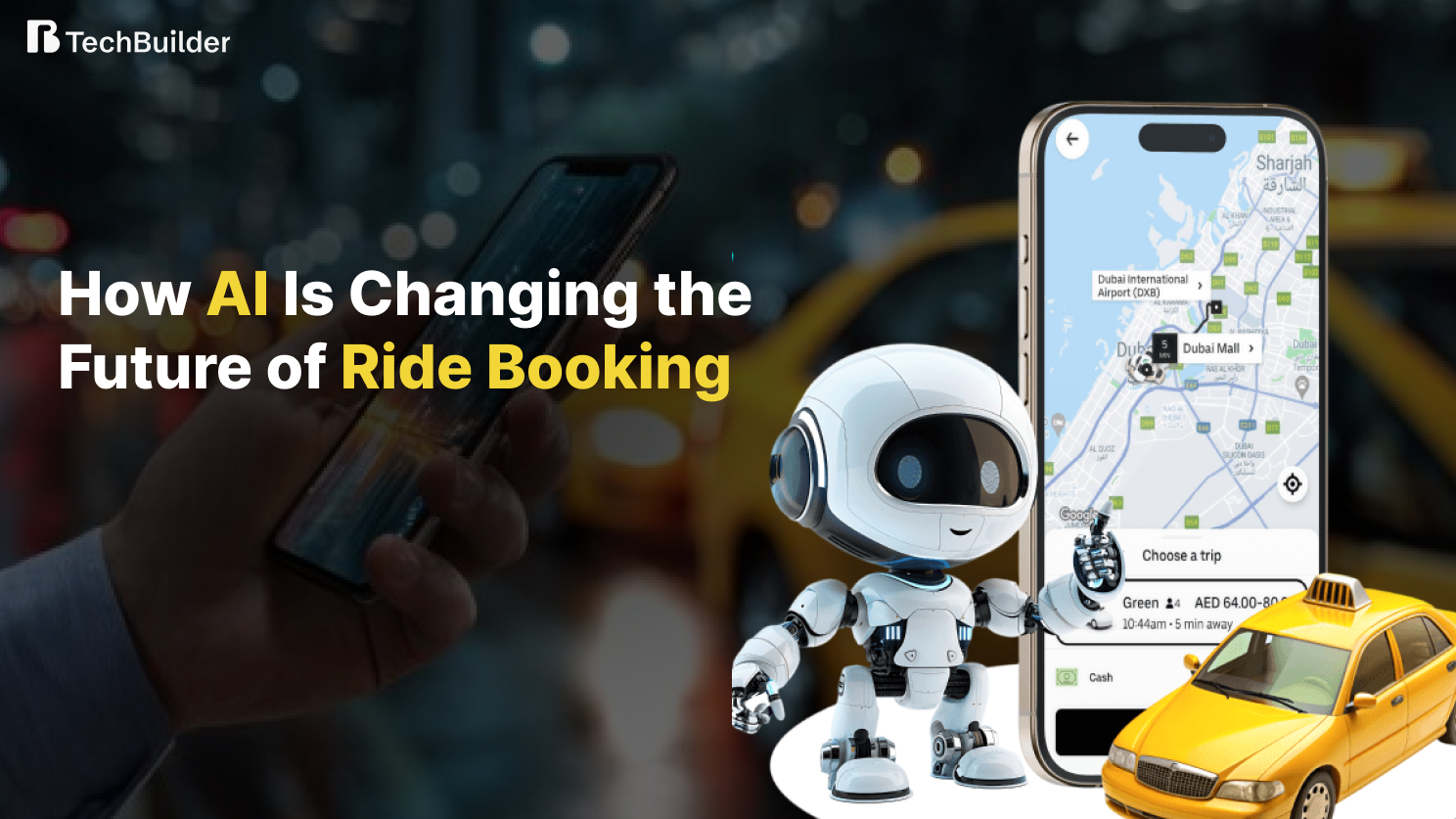
AI is making an impact on today’s mobility platforms. At scale, AI enables – better-informed business decisions, automation, and enhanced customer experiences for taxi businesses.
Rather than only relying on manual control, enterprises can now benefit from an AI-driven system to boost efficiency and a step down the difficulties of running business operations.
Here’s how AI is transforming the ride-booking industry:
- Intelligent Ride Matching
AI can instantly match nearby drivers to riders based on their ability to pick up passengers, the availability of the drivers, traffic and estimated travel times.
- Predictive Demand Analysis
AI can review booking patterns, peak hours, and customer activity, to ensure businesses are ready for busy periods.
- Fraud Detection
AI can predict larger problems by analyzing trends of – suspicious activity, fraudulent bookings, and unusual payment habits.
- Driver Performance Monitoring
AI-powered analytics can provide business organisations – with more accurate insights into driver ratings, trip efficiency and service quality.
With the competition growing, AI is contributing to taxi service effectiveness and profitability, making them faster, smarter, and more efficient.
Building Trust With Riders and Drivers
Trust is a crucial element of the success of any Taxi Booking App in the company. If a user didn’t trust the platform, there is a fear that they will not book a ride and the drivers will lose trust in the platform.
Trust can be built, whenever you interact.Whether or not it involves being consistent, transparent and safe, it can be built.
For riders, trust comes from:
- Verified drivers
- Transparent pricing
- Safe ride experiences
- Accurate trip tracking
- Secure payment systems
- Responsive customer support
For drivers, trust depends on:
- Fair commission structures
- Timely payouts
- Consistent ride opportunities
- Clear policies
- Reliable support systems
Ecosystems that prioritize both riders and drivers are more likely to be a win-win arrangement. Other factors such as – online reviews, app ratings, and customer referrals are also affected by trust. Negative customer experiences can rapidly go viral and harm brands.
The primary rule for doing well as a business in a competitive market is to consistently provide good experiences, not just aggressive promotions or discounts.
Why Hyperlocal Strategies Work Better Than Global Thinking
Numerous taxi companies aim to compete directly with international ride-hail companies. Many times the regional and local ones range quicker if they are aimed for particular requirements of the area rather than imitating huge companies available abroad.
Businesses can gain a deeper insight into local customer behaviour, pricing expectations, traffic levels and modes of transport through hyperlocal methods.
Local-focused Taxi Booking Apps can stand out by offering:
- Better city coverage
- Local language support
- Region-specific pricing
- Partnerships with local businesses
- Faster customer support
- Better understanding of local travel patterns
For instance, smaller city users might care more about the cost of a service and availability of drivers, while users in the metro city might be more interested in premium experience and faster speed.
Local users also have a better idea of the challenges and opportunities facing them and are thus better equipped to build better relationships with businesses both via hyperlocal strategies and the hyperlocalisation of tools.
Many taxi platforms that are successful dominate a specific city or region first, before going global.
This targeted growth strategy often leads to:
- Stronger customer loyalty
- Better operational control
- Higher ride completion rates
- Reduced marketing costs
- Faster business growth
Understanding local markets deeply can become one of the biggest competitive advantages in the Taxi Booking App industry.
Features That Make Users Keep Coming Back
It’s significant to bring in new users, but it’s retaining them that can help grow the business over time. The most effective Taxi Booking Apps base their business upon customer retention as they focus on giving experiences so appealing that their clients want to repeat them.
Some features naturally increase engagement and loyalty because they improve convenience and customer satisfaction.
- Loyalty and Rewards Programs
Rewards are used to keep the users on the same platform and not going to its competitors.
- Ride History and Saved Locations
Easy access to previous trips and popular locations.Ability for quick access to previous trips and favorite destinations for convenience and time saving.
- Scheduled Bookings
People like the ability to drive them ahead of time for their employment or airport moves, or if they are making an essential event.
- Personalized Notifications
Users are kept engaged with the app with smart reminders, ride offers, and location based suggestions.
- Multiple Ride Options
Not only can multiple rides be offered to customers that caters to their needs and budget such as economy, premium, shared, or rental rides, but it also gives them flexibility.
- Smooth Payment Experiences
Quick and reliable payment sections lessen bookings friction and develop trust on the part of the customer.
- Fast Customer Support
Rapid resolution of issues leads to customer satisfaction and keeps positive app ratings up to date.
Features focused on retention lead to increased user engagement as well as lower customer acquisition costs over time.
The Hidden Mistakes That Push Users Away
Many Taxi Booking Apps lose customers because they don’t know why. Operational factors and errors can quietly dent user trust and stunt growth over time.
Some of the most common mistakes include:
- Long Waiting Times
Drivers will get impatient if it takes too long to get to the customer, or if there were repeat unavailability situations.If the riding time is long, or if rides were continually unavailable, users become frustrated.
- App Performance Issues
A high number of crashes, slow loading times, and technical issues have a negative impact on the user experience.
- Complicated Booking Process
Too many booking steps create friction and increase app abandonment rates.
- Hidden Charges
Surprises in price erode consumer trust and are a recipe for a bad review.
- Lack of Customer Communication
Users expect ride updates, booking confirmations, and support responses in real time.
- Ignoring Customer Feedback
If your business does not take proactive measures to improve upon reviews and complaints, your business may have difficulty keeping users.
Just as crucial as adding new features is to avoid these pitfalls. In a large proportion of the cases, even a modest enhancement of basic level of services can have more impact than a costly innovation.
Marketing Strategies That Actually Work for Taxi Apps

In a competitive market, simply launching a Taxi Booking App is not enough. In the modern taxi industry, discounts are not the sole draw of attracting customers; they are shifting their attention to digital engagement and tailored marketing strategies.
Some effective marketing strategies include:
- Referral Programs
Rewarding users by helping them to invite friends is a great way of helping the business grow naturally, whilst lowering expenses for advertising.
- Social Media Campaigns
Taxi companies can leverage popular platforms, such as Instagram, Facebook, and TikTok to boost their brand visibility and reach their target audiences.
Local Business Partnerships
It can create reliable demand because of the working together of hotels, restaurants, airports, and event organizers.
- Influencer Promotions
Local influencers can help taxi apps build credibility and increase brand awareness quickly.
- Personalized Offers
The AI-powered promotions based on user behavior boost engagement and enhance frequency.
- Push Notifications
Attractive discounts, ride alerts, and loyalty offers are all conveyed by intelligent notifications which maintain user engagement.
Content Marketing
Blogging and writing mobility trends and travel texts boost their visibility in online marketing and their ranking on search engines.
The most successful taxi businesses combine strong technology with consistent brand visibility and customer engagement strategies.
Why Customer Retention Is More Important Than Downloads
While there is definitely a strong emphasis on getting taxi applications downloaded, having an application downloaded does not lead to growth. If the experience isn’t as expected, many may first download and then forget about an app.
Retained users –
- Rides more often with books.
- Pay more now and more later.
- Please recommend the app – to others.
- Leave positive reviews.
- Create sustainable revenue streams.
- Develop viable lines of business.
However, paying for repeat customers with discounts and purchased ads – can be costly and unprofitable.
User trust is a big factor in retention. If customers can see the app provides safe, hassle-free, and budget-friendly travel, they will be more likely to use the app on a regular basis.
In addition, retention also provides businesses with valuable customer information that can be leveraged to better understand their users, anticipate their next actions, and fine-tune their marketing efforts.
It is a highly competitive market for the Taxi Booking Apps these days and loyal customers are more useful than thousands of users who opt for a temporary download.
Future Trends Shaping the Taxi Booking Industry
The taxi booking industry is evolving rapidly as new technologies continue to change how people travel. Customers are getting smarter, faster, and more convenient, compelling businesses to be continuously innovative.
Automation, AI, sustainability, and connected mobility experiences are just some of the factors set to shape the future of the Taxi Booking App market.
Some major trends shaping the industry include:
- AI-Powered Automation
AI will further enhance ride matching, demand forecasting, pricing optimization and customer support automation.
- Electric Vehicle Integration
In an increasing number of taxi companies, the transition to an electric vehicle fleet is a step being taken to cut down the operating costs and promote eco-friendly transportation.
- Contactless Experiences
Purchase of rides with digital payment, voice commands for scheduling and automated support systems are transforming ride booking to be quicker and safer.
- Subscription-Based Ride Services
To the regular riders some mobility platforms are offering monthly ride memberships and subscription packages.
- Multi-Service Mobility Platforms
Taxis are adding bike renting, food delivery, logistical and packages delivery to the list of services.
- Autonomous Transportation
Self-driving vehicle technology is slowly becoming part of future mobility discussions, although large-scale adoption may still take time.
- Hyper-Personalized Experiences
AI-driven personalization will help apps offer customized ride recommendations, promotions, and travel experiences.
Keeping up with these trends will ensure businesses improve their chances of attracting new modern users and compete long term.
Creating a Taxi App Brand People Remember
In a crowded market, technology alone is not enough. Brand is a key element in making Taxi Booking Apps memorable from the crowd.
Brands that evoke emotion, provide a consistent experience and solve a problem are remembered by the user.
A reliable taxi brand is developed by:
- Consistent customer experiences
- An app that is easy to use and understand.
- A clear and user-friendly app design.
- Reliable service quality
- Strong customer support
- Clear communication
- Trust and transparency
The aim is to develop and establish an image that users can easily identify and perceive. Their social media activity, customers reviews, referral policies and engagement in the community also help to raise their brand visibility.
The increased investment in customer acquisition can be justified over time, as users may refer them to others due to their strong experience of the platform by the businesses that has a proper branding strategy. A consistent value delivers Taxi Booking App can grow into a user’s regular habit rather than being an app out of his habit. After doing this, you’ll get the opportunity to create your own competition.
Final Thoughts: Competition Creates Opportunity
Competition in the Taxi Booking App market will continue increasing as more businesses enter the mobility industry. But with competition comes opportunities for organisations that can be prepared to become innovators, enhance the customer journey and develop ‘smarter’ platforms.
It’s time to think beyond giving rides to be a success, today. It is about making trip experiences quick, dependable, secure, and easy – and truly believable.
Businesses that focus on:
- Better user experiences
- AI-powered operations
- Driver satisfaction
- Customer retention
- Hyperlocal strategies
- Smart analytics
- Strong branding
will have a much stronger chance of standing out in the market. The wave of ride-booking service is set to go for companies that put together technology and customer-consideration. Those that successfully accomodate shifting user expectations will stay ahead of the curve and enjoy lasting success.
FAQ’s
What makes a Taxi Booking App successful?
The key features that make a Taxi Booking App successful are – user experience, real-time tracking, quick booking, clear rates, dependable taxi drivers, and robust customer support.
Why is customer retention important for taxi apps?
By retaining customers – businesses can foster customer loyalty, boost their long-term revenue and minimize marketing expenses, thereby creating a loyal user base – that engages with the platform regularly
How does AI improve taxi booking platforms?
AI enhances ride matching, route optimization, demand forecasting, pricing, fraud detection, and customizing customer experience.
Why do many taxi apps fail in competitive markets?
Lack of usability, weak taxi operator management, sparse innovation, technical problems, and inexplicable customer retention strategies are many factors – that are responsible for many taxi apps struggling.
What features do modern riders expect from taxi apps?
Modern users expect live tracking, multiple payment options, quick booking, safety features, ride scheduling, and transparent pricing.